


The Char Dham Yatra's Deep Meaning: A Spiritual Journey to Salvation
The Char Dham Yatra is a very significant pilgrimage that offers a path to salvation on a spiritual level. This revered journey, which has its roots in the illustrious Hindu scholar Shri Adi Shankaracharya, brings pilgrims to four holy sanctuaries hidden among the breathtaking Himalayan mountains, renowned for their pure beauty and heavenly aura.
According to Hinduism, the Char Dham Yatra is a path to reach spiritual salvation. Every Hindu is expected to make this pilgrimage at least once during their lifetime as it is seen as a religious responsibility. In Hindu mythology, the four shrines have a crucial role. The beginning of this transforming journey is supposed to have begun when Shri Adi Shankaracharya reached liberation in Shri Badrinath Dham.
Char Dham Yatra
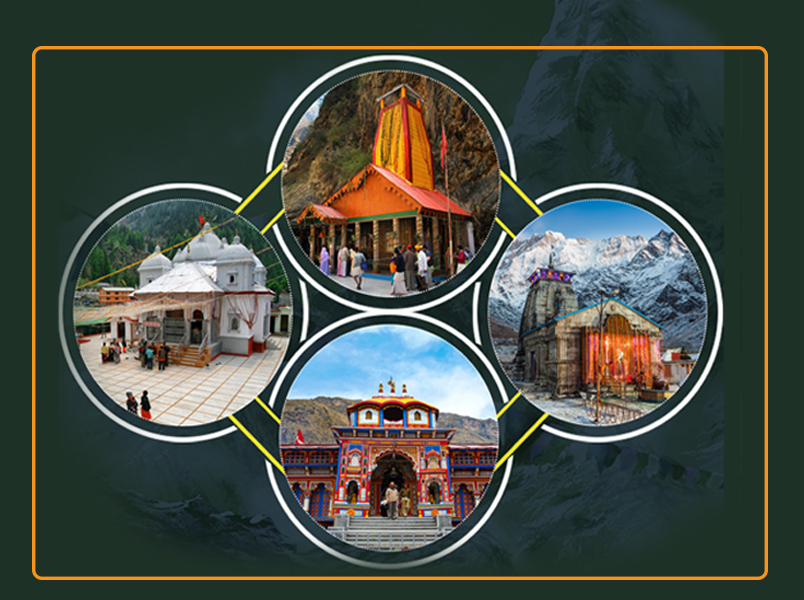
Yamunotri
The Yamuna River's sacred source, Yamunotri, is where the trek usually starts. Yamuna is thought to be the sister of Yama, the God of Death, in Hinduism. Yama promised Yamuna on Bhai Dooj that everyone who bathed in her waters would find redemption and be saved from Yamlok, the world of death, if they did so.
Gangotri
The sacred River Ganges' beginning is commemorated at Gangotri Dham, which is devoted to Goddess Ganga. Here, the Ganges is referred to as Bhagirathi. According to legend, Goddess Ganga emerged from Lord Shiva's locks to atone for the misdeeds of King Bhagiratha.
Kedarnath
Kedarnath Temple is dedicated to Lord Shiva and is one of the twelve sacred Jyotirlingas, representing the God of destruction. It is part of the Panch Kedar and is named after the ruler of Satyuga, 'Kedar.' Adi Shankaracharya is credited with restoring this ancient temple.
Badrinath
Lord Vishnu, the guardian of the sacred Hindu Trinity, is honored in the 3,133-meter-high Badrinath Temple. Of the four shrines, it is regarded as the most sacred. Additionally connected to this temple, Adi Shankaracharya is thought to have attained liberation from rebirth there.
Also Read:https://www.poojat.com/blogs_details?id=tulsi-vivah
Significance of Char Dham Yatra:
Spiritual Liberation (Moksha): One route to spiritual emancipation is thought to be the Char Dham Yatra. Hindus hold that visiting these revered sites and engaging in the rites there helps people achieve Moksha, the highest level of liberation, by atoning for their misdeeds.
Duty and Purpose: One of the five main obligations in a Hindu's life, representing the reason for existence on Earth, is to go on this pilgrimage. Dharma (responsibility), Kaam (desires), Artha (prosperity and wealth), and Moksha (salvation) are some of these obligations.
Individual Spiritual Experience: The Char Dham Yatra is a deeply personal and spiritual journey, forging a profound connection between devotees and the sacred rivers and sites. Pilgrims leave behind worldly concerns and embark on an inner journey towards the divine.
Meeting Holy Figures: Devotees get the chance to contact with holy people who are devoted to devotion, such as pundits, pujaris, sadhus, and sadhvis, while on the trip. The spiritual experience is enhanced by this.
Sightseeing and Natural Beauty: Not only is the trip to these sites spiritual, but it also includes a spectacular scenery excursion. The scenic Garhwal Himalayan mountain ranges, where the temples are located, provide a mesmerizing background for the trip.
Importance of Pilgrimage in Hinduism: One of the five fundamental obligations in Hinduism, along with duty (dharma), wants (kaam), prosperity and wealth (artha), and salvation (moksha), is to go on a holy pilgrimage. It stands for Moksha, or salvation, the highest level of liberation. Trekking is frequently involved in pilgrimages as a symbol of perseverance and laying worldly worries at the feet of the divine.
Also Read :https://www.poojat.com/blogs_details?id=%C2%A0navratri
A Divine Connection: Char Dham Yatra is, at its core, a personal and meditative encounter with the Divine. Along the route, pilgrims come across holy people like pundits, pujaris, sadhus, and sadhvis at numerous temples and shrines. Rituals are performed, they visit their favorite deities, and they find comfort in the calm natural settings.
Due to the temples' location in the magnificent Garhwal Himalayas, this pilgrimage also provides breathtaking sightseeing opportunities. Every devotee who makes the journey experiences spiritual purification, increased faith, and a lasting impression on their hearts.
The Char Dham Yatra is a spiritual journey toward salvation rather than only a physical one. Hindus think that doing so cleanses them of their sins and advances them toward achieving Moksha. It is a heavenly link to the four holy homes of God, a life-changing encounter, and a way to eternal happiness.