


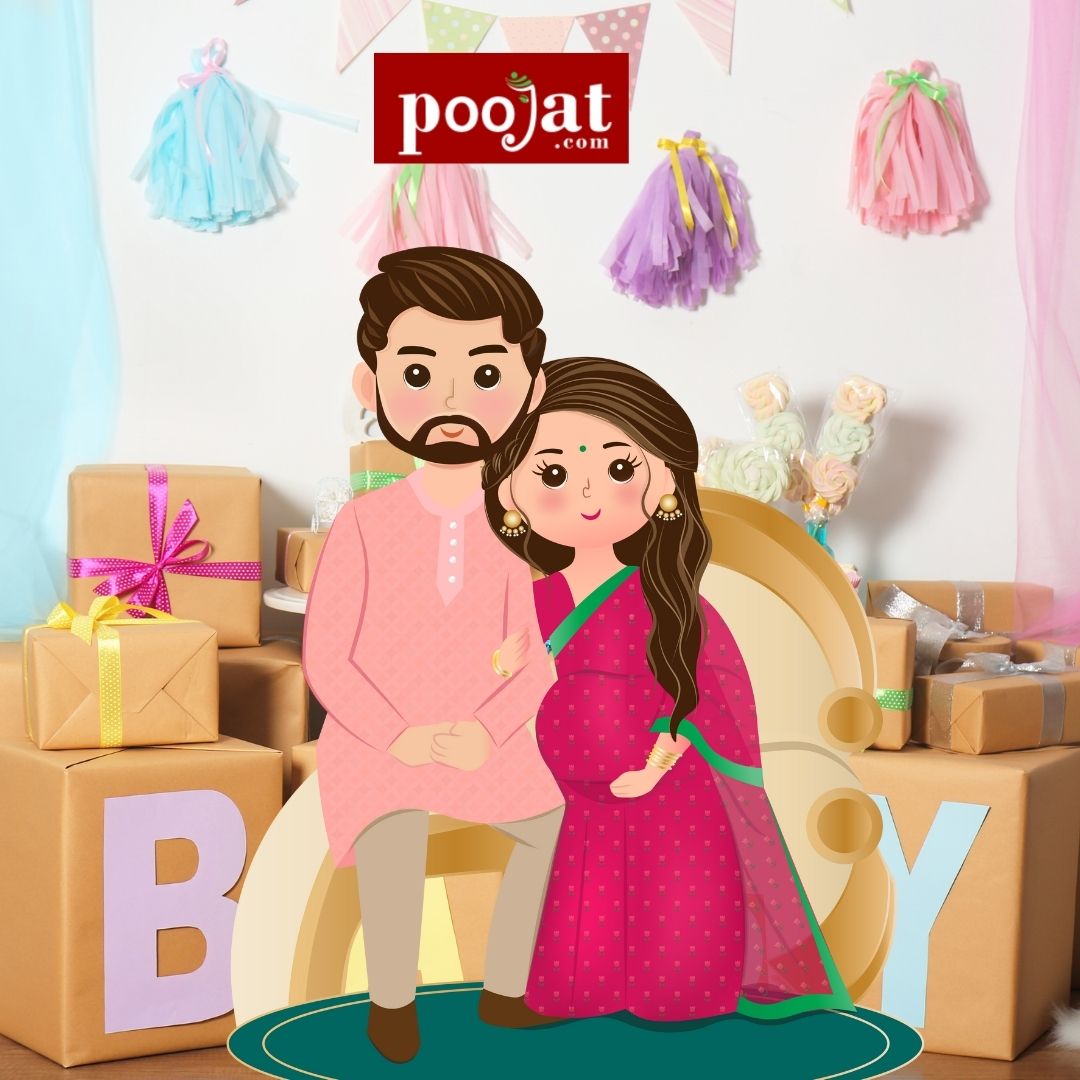
Godh Bharai Pooja: A Traditional Indian Celebration of Motherhood
A sweet Indian custom called Godh Bharai, or baby showering, honors the expectant woman and her unborn child. The translation of "Godh Bharai" is "fill or load the lap with abundance," denoting the affection and benefits bestowed to the expectant mother. Women join together for this occasion to enjoy delicious food, activities, and gift-giving. The historical background of Godh Bharai, the main distinctions between it and a baby shower, and the ways in which related ceremonies are observed in different cultures will all be covered in this article.
Historical Origins of Godh Bharai: Godh Bharai's origins date back thousands of years, and it has continued to grow over time. Numerous Hindu texts speculate that the custom might have originated in Egyptian and Roman communities. But following World War II, it rose to prominence in the American region.
The ceremony was originally carried out to give pregnant women who had difficulties during their pregnancies a way to satisfy their desires before labor or delivery. This practice was intimately associated with "Simantha," a Vedic festival that was often observed in the seventh or eighth month of pregnancy. Due to the significant risk of maternal death during this time, priests frequently visited pregnant women in medieval Europe prior to childbirth to assist them in confessing their transgressions and errors.
Differences Between a Baby Shower and Godh Bharai:
While Godh Bharai and Baby Showers both aim to bless the unborn child and the expectant woman, there are some significant distinctions between the two customs.
- Focus on Family vs. Friends: Godh Bharai primarily revolves around the family, with friends typically playing a less prominent role. In contrast, Baby Showers are organized by friends and emphasize enjoyment, including games and fun activities
- Attire: In Godh Bharai, the expectant mother usually wears a traditional saree and jewelry, while Baby Showers do not have specific attire requirements.
- Goal: Godh Bharai is regarded as a religious occasion with a strong foundation in customary practises. Its goals are to safeguard the mother's health and protect the fetus. Contrarily, baby showers are more informal and usually center around commemorating the soon-to-be mother's journey into motherhood.
Comparison with Other Cultures: Motherhood and the birth of a new child are celebrated with similar rites in many different cultures and geographical areas. Godh Bharai is referred to by a variety of names in India, including "Seemantham" in Kerala, "Valaikappu" in Tamil Nadu, and "Shaad" in Bengal. Because of the diversity of regions and cultures, the timing and customs could change.
The Baby Shower is the American equivalent of Godh Bharai, where blessings are given to expectant mothers and good health is wished for the unborn child. Additionally, it helps expectant mothers feel supported as they get ready for delivery and motherhood.
When to Schedule Godh Bharai: Traditionally, Godh Bharai is carried out in the seventh month of pregnancy, when it is thought to be safe for the unborn child and the mother. Nonetheless, based on their traditions and tastes, some families might decide to perform the ceremony in the sixth or eighth month.
Also Read: Basant Panchami: The Celebration of Goddess Saraswati and the Arrival of Spring
Benefits of Godh Bharai Puja:
Positive Energy: The expectant mother receives a boost of energy from Godh Bharai, who also revitalizes her spiritual side and helps her maintain peace of mind during a critical stage of her life.
Health and Well-Being: It is thought that the mother's and the unborn child's general health are enhanced by the blessings and customs of Godh Bharai. It functions as a kind of defense against bad energy.
A lovely Indian custom called Godh Bharai commemorates the journey of pregnancy and the approaching birth of a new life. It shares certain similarities with baby showers, but it also has unique qualities and a rich history of cultural and traditional significance. This endearing custom unites families to celebrate the joys of motherhood while also blessing the expectant mother and her unborn child. It is a celebration of positivity, love, and the assurance that the mother and child will have a happy and healthy future.
Also Read : Want to know Vat Savitri Vrat ?